

Managing a fleet in Pittsburgh means dealing with more than mileage and routine wear. Winter driving leaves its mark on commercial vehicles in ways that are not always obvious right away. While spring maintenance often focuses on tires, brakes, and suspension, windshield condition should also be part of the conversation.
For businesses that depend on vans, trucks, and service vehicles every day, windshield damage can lead to bigger problems if left unchecked. A small chip can spread. Visibility can be affected. In newer vehicles, damaged glass can also affect camera and sensor performance. That is why spring is a smart time to schedule a fleet windshield inspection and address minor problems before they turn into downtime.
How Winter Driving Conditions Impact Fleet Windshields
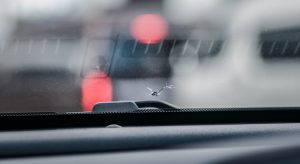
Winter can be tough on fleet vehicles, especially in a region like Pittsburgh, where roads are regularly exposed to freezing temperatures, potholes, road salt, slush, and debris. Even when a windshield does not show obvious major damage, winter conditions can create small chips, edge cracks, and surface wear that become more noticeable later.
Potholes are one common issue. When a commercial vehicle hits a rough patch of road, the impact can put stress on the windshield. This does not always cause immediate visible failure, but it can make existing weak spots worse. Gravel, road debris, and other vehicles on winter roads can also send small objects into the glass, leaving behind chips that may go unnoticed during busy workweeks.
Temperature swings matter too. Glass expands and contracts with changing temperatures. When a windshield already has a chip or minor crack, repeated freezing and thawing can increase the stress on that damaged area. By the time spring arrives, what looked minor in January may be much more likely to spread.
For companies searching for fleet windshield repair in Pittsburgh, this is one reason timing matters. The damage is often done during winter, but spring is when businesses have a chance to catch it before it gets worse.
Why Small Windshield Issues Become Bigger Fleet Problems
For a single personal vehicle, a chip might feel easy to postpone. For a fleet, postponing small issues can create a bigger operational problem. One damaged windshield may not seem urgent, but when several vehicles have similar wear from winter conditions, the cost and scheduling impact can grow quickly.
A small chip can grow into a large crack with normal daily driving, especially in fleet vehicles that are constantly on the road. More vibration, more stops, more exposure to rough pavement, and more weather changes all increase the chance that minor damage will spread. Once that happens, a simple repair may no longer be possible, and replacement becomes more likely.
That shift matters for cost control, but it also matters for uptime. Every vehicle that is off the road affects scheduling, staffing, deliveries, service calls, and customer expectations. A proactive approach to fleet auto glass repair that Pittsburgh businesses can rely on is often much easier to manage than dealing with multiple urgent repairs later.
Spring inspections help fleet managers identify patterns across vehicles and make service decisions before problems interrupt operations.
Why Spring Is the Best Time for Fleet Windshield Inspections
Spring creates a practical window for preventive maintenance. Winter damage has already occurred, but summer demand and heavier seasonal driving may not have fully ramped up yet. That makes spring a good time to inspect fleet glass, plan repairs, and complete needed replacements in a more organized way.
This timing also helps businesses avoid the risk that minor issues will worsen during busy months. When vehicles are used more heavily, the opportunity to pull them from service becomes more limited. It is easier to address windshield damage before scheduling gets tight and before small chips spread under daily use.
Another benefit is visibility. As the weather improves, inspections are often easier to schedule as part of broader fleet maintenance reviews. Instead of reacting to a crack once it becomes obvious, businesses can build windshield checks into their spring service routine and stay ahead of avoidable disruptions.
Companies seeking a more structured maintenance approach can also benefit from partnering with a provider that offers ongoing fleet service and support. That kind of relationship can make it easier to monitor vehicle condition, prioritize repairs, and reduce last-minute service needs.
Fleet Vehicles With ADAS Need Extra Attention
Many newer fleet vehicles now include advanced driver assistance systems, or ADAS. These systems often rely on cameras or sensors mounted near or attached to the windshield. Features such as lane departure warning, forward collision alerts, and other driver-assist tools depend on clear visibility and proper calibration.
That means windshield condition is not just about protecting against leaks or maintaining driver sightlines. It can also affect the vehicle’s built-in systems. If a windshield is damaged in the area around a camera or sensor, or if replacement is needed, calibration may be part of the service process.
For fleet managers, this adds another reason not to delay inspections. What appears to be a routine glass issue may involve more than the glass itself. If your commercial vehicles include newer technology, spring is a good time to identify which units may need closer attention. This is especially relevant for businesses thinking ahead about their commercial windshield repair needs after a long winter.
What a Fleet Manager Should Look for During an Inspection
A spring inspection should focus on more than obvious cracks. Fleet managers should look for small chips, hairline cracks, edge damage, pitting from road debris, and any damage near cameras or sensors. It is also worth checking whether drivers have reported glare, distortion, or visibility concerns that may not be obvious at first glance.
Windshield damage near the edge can be especially significant because it may compromise the glass’s overall stability. Even small imperfections can become larger with vibration and changing temperatures. For fleets with multiple vehicles, consistency matters. Looking at the whole group helps identify whether winter conditions caused similar damage across the fleet.
Driver communication is also useful. Some vehicles spend more time on highways, construction routes, or rough local roads than others. Those usage patterns can make certain units more vulnerable to glass damage. A spring inspection gives fleet managers a chance to compare vehicle condition with vehicle use and make better service decisions.
Why Work With a Local Fleet Auto Glass Partner in Pittsburgh
Fleet maintenance is easier when service planning is local, responsive, and aligned with how businesses actually operate. A local provider understands the kinds of road conditions Pittsburgh fleets deal with in winter and why spring is the right time to look for damage that may have developed quietly over the season.
For business owners and operations teams, the value is not just repair itself. It is the ability to simplify scheduling, reduce unexpected downtime, and keep commercial vehicles available for work. A provider experienced with fleet needs can help businesses move from reactive repairs to a more preventive plan.
That is especially useful for companies managing multiple vehicles across different routes, drivers, and job demands. Instead of waiting until a windshield issue becomes urgent, fleet managers can use spring as a checkpoint and handle service in a more controlled way.
Call Three Rivers Auto Glass to Schedule Your Windshield Repair
Pittsburgh winters can leave fleet windshields with more damage than many businesses realize. Chips, cracks, road debris impacts, and temperature-related stress often build up over time and do not always require attention until the problem has grown.
That is why spring is a good time for fleet windshield inspections in Pittsburgh. It gives business owners and fleet managers a chance to catch damage early, protect vehicle uptime, support driver safety, and avoid more disruptive repair needs later. For companies that rely on their vehicles every day, a proactive inspection is a practical step toward better maintenance planning.
If your fleet has been through a Pittsburgh winter, spring is the right time to schedule windshield inspections before small issues lead to bigger repair needs and downtime.