
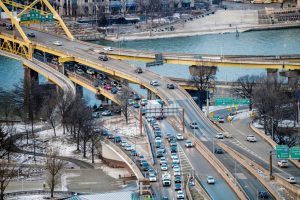
Driving in Pittsburgh comes with challenges you do not always find in other cities. Narrow streets, frequent construction zones, and a network of bridges and tunnels can make even a short commute feel complex. Add in heavy traffic congestion and unpredictable road conditions, and it becomes clear why drivers here need to stay alert at all times.
For many modern vehicles, Advanced Driver Assistance Systems (ADAS) help support safer driving in these conditions. Features such as lane departure warnings and forward collision alerts are designed to assist drivers when traffic gets tight or visibility is limited. However, these systems can only work properly when they are calibrated correctly.
If your vehicle’s sensors or cameras are even slightly misaligned, the system may not respond as intended. In a city like Pittsburgh, where road conditions change quickly, that margin for error matters.
What Is ADAS Calibration?
ADAS stands for Advanced Driver Assistance Systems. These are built-in safety features designed to help drivers avoid collisions and stay aware of their surroundings.
- Lane departure warning
- Forward collision warning
- Adaptive cruise control
- Blind spot monitoring
These systems rely on cameras, sensors, and radar technology to monitor the road. Many of these components are mounted near or on the windshield, which makes their positioning especially important.
ADAS calibration is the process of aligning this system of cameras and sensors so they accurately interpret the vehicle’s surroundings. Even a small shift in alignment can affect how the system reads lane markings, detects vehicles, or responds to obstacles.
Without proper calibration, the system may give incorrect alerts or fail to activate when needed.
Why Urban Driving Demands More Precision
Pittsburgh drivers are familiar with stop-and-go traffic, especially during rush hour. In these situations, forward collision warning systems play an important role. They monitor the distance between your vehicle and the one ahead, helping you react quickly when traffic suddenly slows.
If calibration is off, the system may not accurately detect changes in distance. That can reduce the effectiveness of a feature designed to help prevent rear-end collisions.
Many Pittsburgh roads are narrower than average, especially in older neighborhoods. Drivers often need to navigate tight spaces while changing lanes or merging into traffic.
Lane departure warning systems rely on precise camera alignment to track road markings. If the system is not calibrated correctly, it may struggle to recognize lane boundaries, especially on roads where markings are already worn or unclear.
Urban areas bring higher levels of pedestrian and cyclist traffic. Downtown streets, residential neighborhoods, and areas near universities all require drivers to stay alert to people around them.
ADAS features are designed to help detect movement and provide alerts. However, they depend on accurate sensor input. If calibration is off, response times may be delayed or inconsistent, increasing the risk in busy areas.
Pittsburgh’s layout includes hills, sharp turns, and intersections that are not always straightforward. These conditions require systems to correctly interpret angles and distances.
Calibration ensures that sensors account for these changes in elevation and road design. Without it, the system may misread the environment, leading to inaccurate feedback.
How ADAS Gets Thrown Off
Common causes of misalignment include:
Many forward-facing cameras are mounted to the windshield. Replacing the glass can shift the camera’s position, even if the installation is done carefully. Calibration is required afterward to restore accuracy.
Pittsburgh roads are known for potholes and uneven surfaces. Repeated impact can affect sensor positioning over time.
Even a low-speed collision can shift sensors or mounting brackets, leading to misalignment.
Temperature changes and environmental wear can also affect sensor positioning over time. Pittsburgh’s changing seasons can make this even more noticeable, which is why it helps to understand how Pittsburgh’s weather affects your ADAS calibration.
Signs Your ADAS May Need Calibration
- Warning lights or alerts on your dashboard
- Safety features not activating when expected
- Lane detection appears inconsistent or inaccurate
- False alerts or delayed system responses
If you notice any of these issues, it is a good idea to have your system checked. Addressing calibration early can help prevent larger safety concerns.
Why Calibration Is Even More Critical in Pittsburgh
Driving conditions in Pittsburgh make proper calibration especially important.
Elevation changes can affect how sensors interpret distance and angle. Calibration helps ensure the system adjusts correctly.
Construction zones often involve temporary lane markings or shifting traffic patterns. Accurate sensor alignment is necessary for the system to interpret these changes.
Rain, snow, and fog can reduce visibility. When drivers rely more on ADAS features, those systems need to function as intended.
With more vehicles on the road, there is less room for error. Systems must respond quickly and accurately to changing conditions.
In a city where road conditions can change from one block to the next, properly calibrated ADAS systems provide an added layer of support for drivers.
When You Should Schedule ADAS Calibration
- After a windshield replacement
- After any type of collision, even minor
- When warning lights or system errors appear
- If your vehicle’s driving assistance features feel inconsistent
If you are unsure whether your vehicle needs calibration, a professional inspection can help determine the next step.
Why Choose Three Rivers Auto Glass for ADAS Calibration
Choosing the right provider for ADAS calibration is important. It requires the proper equipment, a controlled environment, and a clear understanding of the manufacturer’s specifications.
- Experience working with vehicles equipped with modern ADAS features
- Calibration procedures designed to meet manufacturer standards
- Familiarity with Pittsburgh driving conditions and common challenges
- A focus on safety and accuracy throughout the process
If you recently had your windshield replaced or suspect your system may be out of alignment, schedule professional ADAS calibration services with Three Rivers Auto Glass.
Schedule Your ADAS Calibration Service Today
Your vehicle’s safety systems are designed to support you, especially on busy roads throughout Pittsburgh. To do that effectively, they need to be calibrated correctly.
Make sure your vehicle’s safety systems are working exactly as they should.
Contact Three Rivers Auto Glass today to book your ADAS calibration service and drive with greater confidence on Pittsburgh’s roads.